NEWS
Preparing for A Weather Emergency
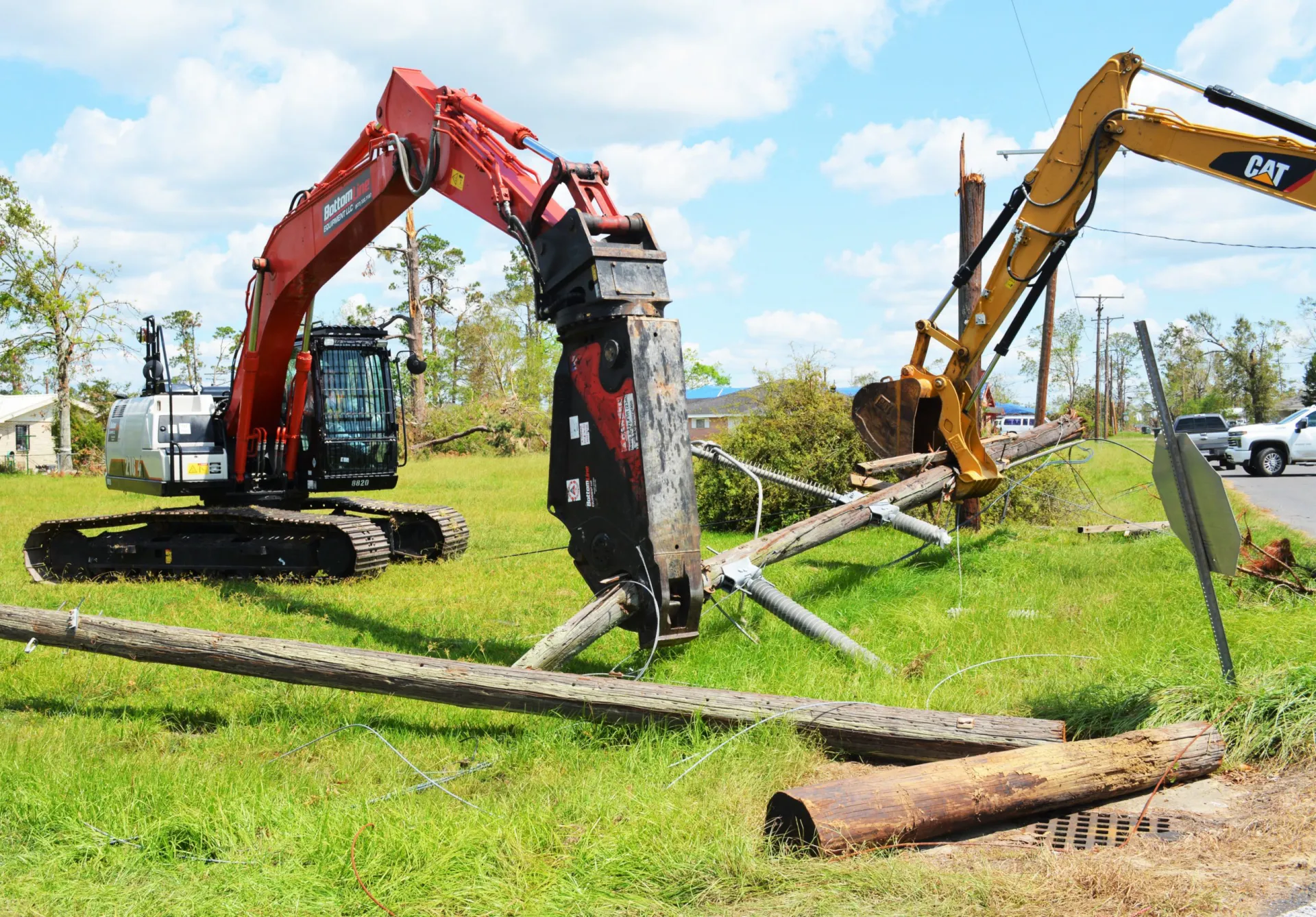
Preparing for A Weather Emergency
When a hurricane hits, it can cause widespread flooding, wind damage, power outages, and a host of other problems. No amount of planning and preparation is going to reduce the tremendous power of a massive storm. Wind, flooding, power outages, and significant property damage are going to happen. However, there are some steps that can be taken to improve your ability to survive during a hurricane and the challenging days that follow.
Hurricane Preparation / Post Storm Safety Checklist
Inside The Home
- Stock up on nonperishable food, medicine, baby supplies, and pet food.
- Purchase bottled water. It is recommended 1 gallon per person per day.
- Check emergency equipment – flashlights, batteries, battery operated radios, etc.
- Keep extra cash on hand, an electrical power outage may prevent you from withdrawing cash from an ATM.
- Make provisions for food and water for your pet if you evacuate.
- Turn your refrigerator to its coldest setting. This will keep food fresh up to 12 hours.
- Turn off and unplug any unnecessary electrical equipment.
- Keep first aid supplies nearby.
- Have a non-electric can opener on hand.
- Place all critical documents (i.e., insurance paperwork, family photos, etc.) in a safe box.
Outside The Home
- Install hurricane shutters or plywood over windows and doors
- Avoid fallen power lines when venturing outside
- Trim trees that are not near power lines and clear debris. Trash pickup is suspended once a hurricane’s warning is announced.
- Fill your car’s gas tank
- Bring loose, lightweight objects inside
- Check for loose rain gutters and downspouts
Extension Cords
Normal wear on cords can loosen or expose wires. Cords that are not 3-wire type, are not designed for hard-usage, or that have been modified increase your risk of electrocution.
- Use only equipment that is approved to meet OSHA Standards
- Do not modify cords or use them incorrectly
- Use factory-assembled cord sets and only extension cords that are 3-wire type
- Use only cords, connection devices, and fittings that are equipped with strain relief
- Remove cords from receptacles by pulling on the plugs, not the cords
Equipment
Due to the dynamic, rugged nature of construction work, normal use of electrical equipment causes wear and tear that results in insulation breaks, short-circuits, and exposed wires. If there is no ground-fault protection, it can cause a ground-fault that sends current through the worker's body.
- Use ground-fault circuit interrupters (GFCIs) on all 120-volt, single-phase, 15- and 20-ampere receptacles, or have an assured equipment grounding conductor program (AEGCP).
- Use double-insulated tools and equipment, distinctively marked.
- Visually inspect all electrical equipment before use. Remove from service any equipment with frayed cords, missing ground prongs, cracked tool casings, etc.
Generators
One of the common tools utilized following the loss of power are portable generators. Most generators are gasoline powered and use internal combustion engines to produce electricity.
Carbon monoxide is a colorless and odorless gas produced during the operation of gasoline powered generators. When inhaled, the gas reduces your ability to utilize oxygen. Symptoms of carbon monoxide poisoning include headache, nausea and fatigue that can lead to unconsciousness and ultimately prove fatal.
- DO NOT operate a generator indoors. Be sure it is located outdoors in a location where the exhaust gases cannot enter a home or building. Good ventilation is the key.
- Be sure that the main circuit breaker is OFF and locked out prior to starting any generator. This will prevent inadvertent energization of power lines from back feed electrical energy from generators and help protect utility line workers from possible electrocution.
- Turn off generators and let them cool prior to refueling.
Power Lines
Overhead and buried power lines are especially hazardous because they carry extremely high voltage. Fatal electrocution is the main risk but burns and falls are also hazards.
- Look for overhead power lines and buried power line indicators.
- Stay at least 10 feet away from overhead power lines and assume they are energized.
- De-energize and ground lines when working near them.
- Use non-conductive wood or fiberglass ladders when working near power lines.
Working Safely With Electricity
Working with electricity can be dangerous. Engineers, linemen, electricians, and others work with electricity directly, including overhead lines, cable harnesses, and circuit assemblies. Office workers and salespeople work with electricity indirectly and may also be exposed to electrical hazards. current may travel through a worker's body, causing electrical burns or death. Even when the power system is properly grounded, electrical equipment can instantly change from safe to hazardous because of extreme conditions and rough treatment.
- Visually inspect electrical equipment before use. Take any defective equipment out of service.
- Ground all power supply systems, electrical circuits, and electrical equipment.
- Frequently inspect electrical systems to ensure that the path to ground is continuous.
- Do not remove ground prongs from cord- and plug-connected equipment or extension cords.
- Use double-insulated tools and ground all exposed metal parts of equipment.
- Avoid standing in wet areas when using portable electrical power tools.
Chain Saw Safety Tips
Operating a chain saw is inherently hazardous. Potential injuries can be minimized by using proper personal protective equipment and safe operating procedures.
- Clear away dirt, debris, small tree limbs and rocks from the saw’s chain path. Look for nails, spikes or other metal in the tree before cutting.
- Shut off the saw or engage its chain brake when carrying the saw on rough or uneven terrain.
- Keep your hands on the saw’s handles and maintain secure footing while operating the saw.
- Proper personal protective equipment must be worn when operating the saw, which includes hand, foot, leg, eye, face, hearing and head protection.
- Do not wear loose-fitting clothing.
- Be careful that the trunk or tree limbs will not bind against the saw.
- Watch for branches under tension, they may spring out when cut.
- Gasoline-powered chain saws must be equipped with a protective device that minimizes chain saw kickback.
- Be cautious of saw kick-back. To avoid kick-back, do not saw with the tip. If equipped, keep tip guard in place.
Before Starting a Chain Saw
- Check controls, chain tension, and all bolts and handles to ensure that they are functioning properly and that they are adjusted according to the manufacturer’s instructions.
- Make sure that the chain is always sharp, and the lubrication reservoir is full.
- Start the saw on the ground or on another firm support. Never drop start a chain saw.
- Start the saw at least 10 feet from the fueling area, with the chain’s brake engaged.
Fueling a Chain Saw
- Use approved containers to transport fuel to the saw
- Dispense fuel at least 10 feet away from any sources of ignition
- Do not smoke while fueling a chain saw
- Use a funnel or a flexible hose when pouring fuel into the saw
- Never attempt to fuel a running or HOT saw
Unstable or Loose Material
Prior to performing work, identify any unstable, unsecured, or loose equipment or materials. No work should be performed until measures have been taken to secure all work areas properly.
Manual Lifting
During demo work, there is potential for performing a great deal of manual lifting. Make sure to utilize cranes, grating hooks and mechanical lifting as much as possible. Should manual lifting be required, have a coworker or family member assist and ensure materials are cut into manageable pieces. Always follow proper lifting techniques.
Heat Related Illnesses / Fatigue
Stay hydrated by drinking water every hour, take frequent breaks to cool off and stay away from caffeinated drinks. Remember to watch others for symptoms of Heat Related Illnesses. Keep in mind that you may need to become acclimatized to performing work in the hot weather. For this reason, start your hydration process each night and during the day; eat a light lunch; and take frequent water and cool down breaks as needed.
For more information about Storm Preparation, see:
2020 Hurricane Recovery Efforts